

Key Takeaways
- Regular chimney inspections prevent fire hazards by identifying and removing creosote buildup.
- Inspections detect structural issues early, preventing costly repairs and ensuring safety.
- Proper maintenance enhances heating efficiency and indoor air quality.
- Annual inspections are recommended by safety organizations to maintain home safety standards.
Homeowners often prioritize daily upkeep, but some crucial areas, like the chimney, can go overlooked until a serious problem arises. Fireplaces create warmth and ambiance, but without proper maintenance, they can also introduce hidden dangers to your home environment. Regular chimney inspections are one of the most important steps you can take to safeguard your family and property, ensuring your heating systems operate correctly and efficiently. Beyond just peace of mind, annual chimney checkups identify risks such as creosote buildup, blockages, and structural wear that may otherwise go unnoticed. Whether you use your fireplace frequently or only during cold snaps, routine inspections help you spot small issues before they evolve into costly repairs or dangerous situations.
Understanding the Risks of Neglected Chimneys
A chimney, when neglected, becomes more than just a dirty nuisance—it can transform into a significant safety hazard. Creosote, a byproduct of burning wood, accumulates inside the flue. This tar-like substance is extremely flammable and, given the right conditions, can cause a chimney fire that spreads rapidly through your home. Even if you burn cleaner fuels or have a modern stove, other risks like blockages from animal nests, debris, or deteriorating masonry persist. Structural vulnerabilities can develop in chimneys over time—from cracked liners and loose bricks to damaged crowns—that compromise their ability to safely vent smoke and toxic gases. Inspections locate these hazards early, giving you ample time to perform necessary repairs or consider professional installation services for outdated or failing components.
The Importance of Regular Inspections
Proactive chimney maintenance begins with regular, professional inspections. Certified technicians are trained to notice signs of damage or buildup that may not be visible to the untrained eye. By scheduling and adhering to annual inspections, you take control of your home’s safety, as these evaluations typically identify creosote accumulation, structural cracks, moisture intrusion, and obstructions early on. Addressing issues promptly means fewer emergency repairs—and more reliable, consistent performance from your fireplace or wood stove.
Chimney fires often start without warning and can spread rapidly. Inspectors can remove or recommend cleaning for excessive creosote, reducing the chance of ignition and keeping your home safe throughout the burning season. Inspections are crucial if you notice changes in fireplace performance, such as smoke backing up or an unusual odor when burning wood.
Enhancing Heating Efficiency
When your chimney is clear and structurally sound, your heating system operates at its best potential. Efficient airflow means that wood, pellets, or gas burns more completely, producing more heat with less fuel. Annual checkups can resolve drafting issues, locate hidden blockages, and ensure that your damper and flue operate smoothly. This translates into energy savings, lower heating bills, and a more comfortable home environment during the colder months.
Improving Indoor Air Quality
One of the most overlooked hazards of a neglected chimney is the risk to your indoor air quality. Blockages, cracks, or fuel failures can let dangerous gases, particularly carbon monoxide, seep into your living spaces. This invisible, odorless gas poses a significant health threat. Routine inspections confirm that all venting mechanisms work as designed, protecting your family from dangerous pollutants while maintaining a fresher, healthier atmosphere indoors.
Recommended Inspection Frequency
Both the National Fire Protection Association (NFPA) and the Chimney Safety Institute of America (CSIA) advocate for chimney inspections at least once per year. Even if you operate your fireplace or wood stove sparingly, a yearly evaluation can detect wear due to weather exposure, animal activity, or settling structures. More frequent assessments may be necessary if you notice performance issues, make major changes to your heating system, or after severe storms or chimney fires.
Professional vs. DIY Inspections
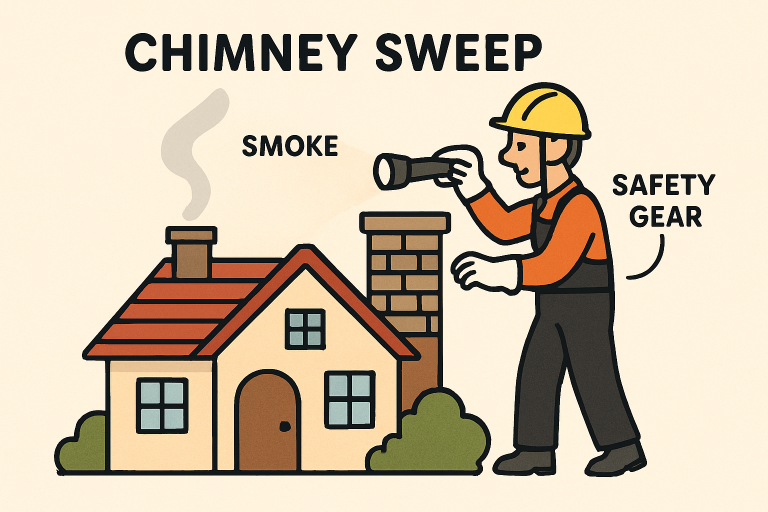
It’s tempting to handle routine maintenance on your own, but chimney inspections demand specialized skills and tools beyond what typical homeowners possess. Certified chimney sweeps and inspectors use cameras, brushes, and diagnostic equipment to view and assess the entire length of the flue and chimney structure. Their expertise allows them to address concerns quickly and recommend safe, lasting solutions tailored to your home’s unique structure and fuel use.
Conclusion
Taking chimney safety seriously is a crucial part of responsible home ownership. By prioritizing yearly inspections from industry professionals, you guard your home against fires, extend the life of your heating systems, and preserve the health and safety of those you love. Don’t wait for obvious signs of trouble—take action with an annual chimney inspection and enjoy lasting comfort, savings, and peace of mind all year.